What It’s Like To Live In Prime New York City Homes
April 23, 2026
April 23, 2026
If you picture prime New York City living as only skyline views and polished lobbies, you are missing the part that shapes daily life the most. In New York, your experience is influenced just as much by the building’s rules, upkeep, and culture as by the apartment itself. If you are considering a move, a pied-a-terre, or a long-term purchase, it helps to understand how ownership, neighborhood rhythm, and routine all fit together. Let’s dive in.
In New York City, a prime home often falls into one of three familiar categories: co-op, condo, or townhouse-style living. Each offers a different ownership structure, and that structure can affect how your day-to-day life feels.
According to the New York State Attorney General’s co-op guide, co-op owners buy shares in a corporation tied to a proprietary lease for a specific apartment. Owners also pay maintenance charges based on the shares allocated to their unit. By contrast, the state’s condo guide explains that condo owners hold direct ownership of their unit plus an undivided interest in the building’s common elements.
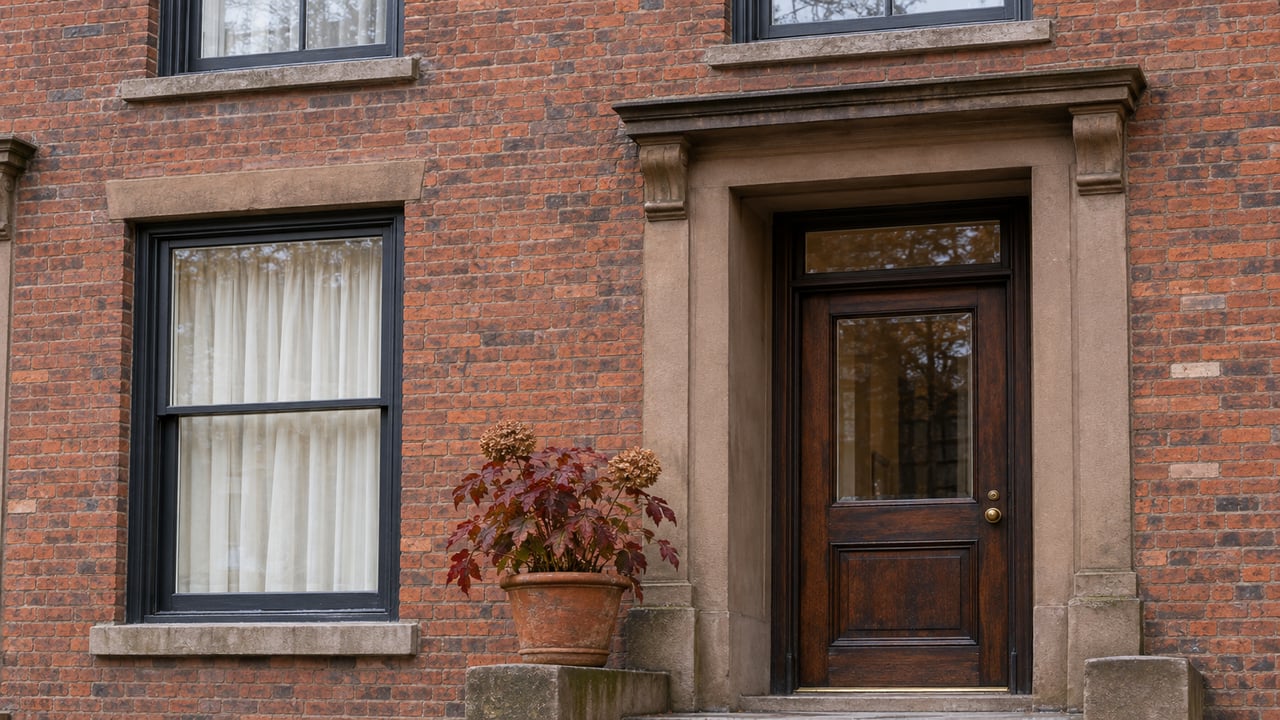
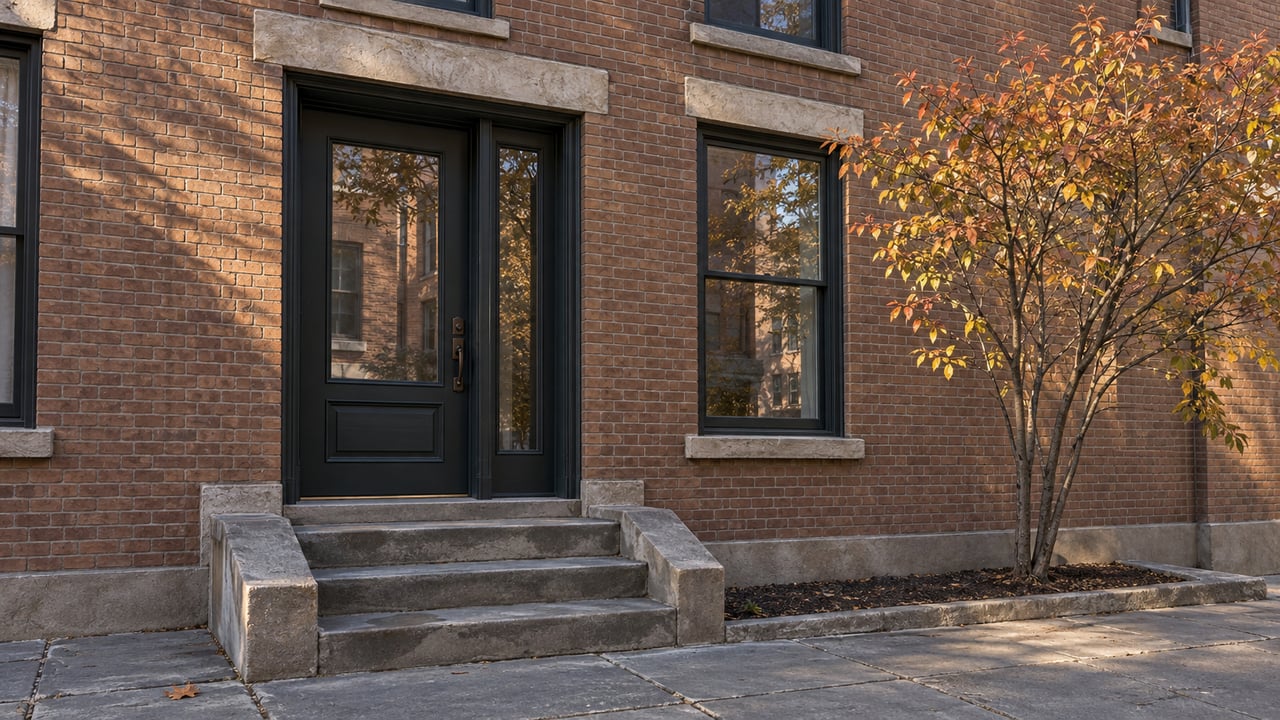
Townhouse-style homes are often understood more by how they live than by a single legal label. The Attorney General’s buyer guidance notes that townhouse-type developments may include disclosures around elements like sidewalks, drainage, retaining walls, and roadways. For many buyers, that points to a more street-oriented, block-connected way of living.
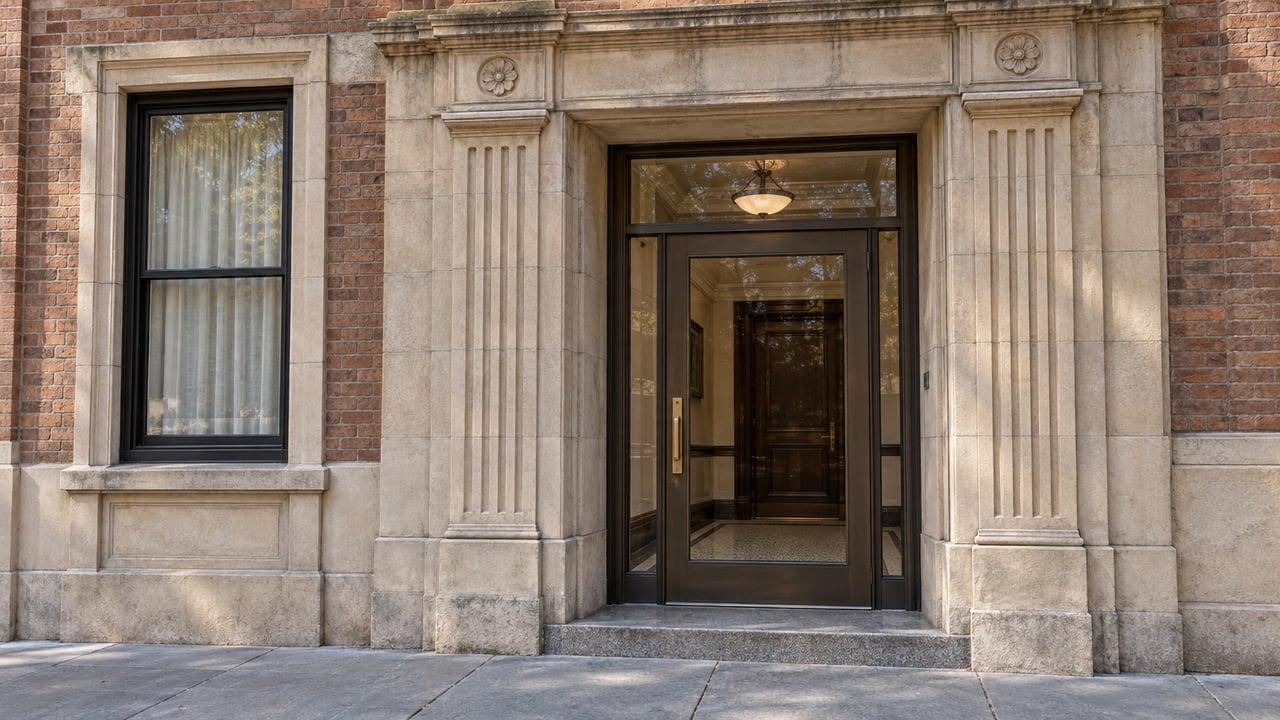
One of the clearest truths about prime NYC homes is that the building itself becomes part of your lifestyle. In a city where many homes share walls, systems, staff, and amenities, the character of the building matters every day.
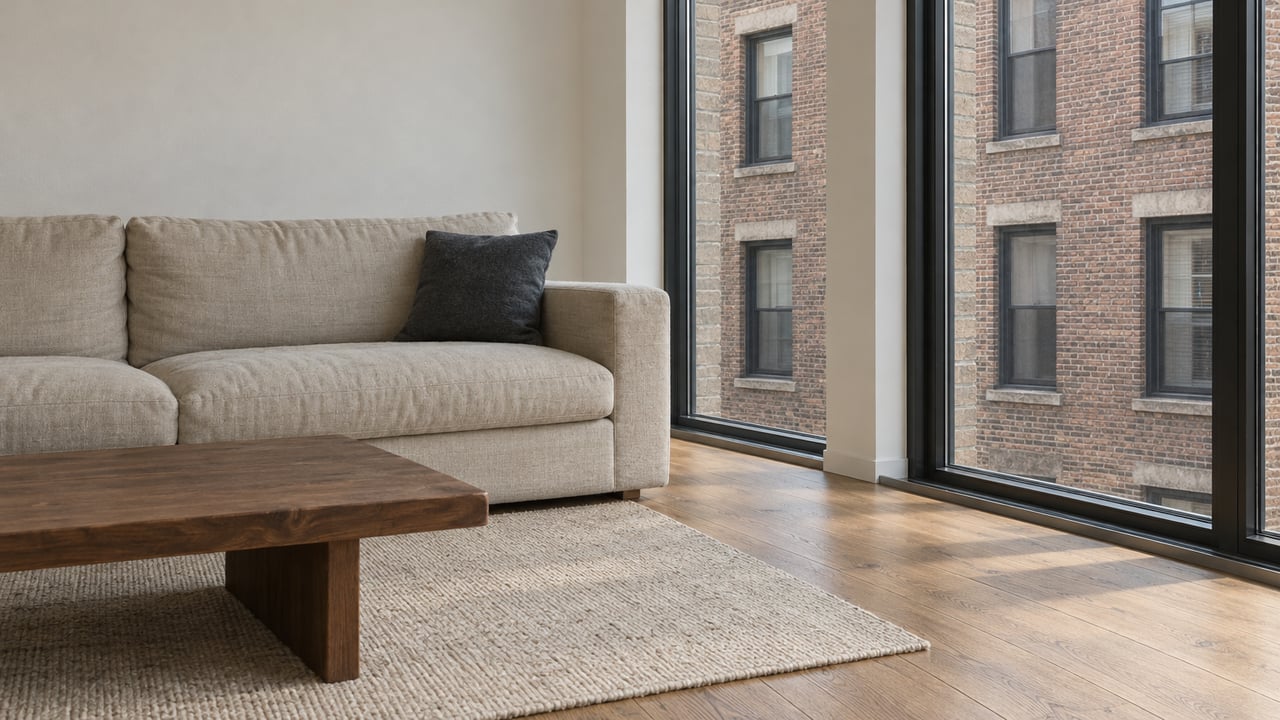
The state notes that offering plans may detail recreational facilities, landscaping, appliance models, and unit features such as fireplaces or jacuzzis. That means amenities are not just marketing language. They can be part of the promised living experience, especially in higher-end buildings where shared spaces play a central role.
At the same time, older and well-established buildings often have a strong maintenance culture. The Attorney General advises buyers to review board minutes and financial reports for insight into facade, roof, elevator, plumbing, electrical, and boiler issues. In practical terms, a building’s condition and governance can influence your comfort just as much as your finishes or floor plan.
For many buyers, the biggest surprise is that co-op and condo life can feel meaningfully different even when two apartments look similar on paper. The legal structure changes the lived experience.
Condos may feel more straightforward because ownership is direct. Co-ops add share ownership, a proprietary lease, and often a more involved board-facing process. That does not make one better than the other, but it can shape how much documentation, review, and building engagement you should expect.
If you value simplicity and flexibility, a condo may be easier to understand from a lifestyle perspective. If you are comfortable with a more structured and communal building culture, a co-op may still be an excellent fit. In either case, the offering plan is essential reading, and the state urges buyers to review it fully with an attorney before signing.
In New York, prime living is rarely about square footage alone. It is about what happens when your building, your block, and your daily routine work well together.
The most satisfying version of city life often comes down to proximity. You may care about a morning park walk, museum access, a favorite dinner spot, or an easy route to the waterfront. In prime NYC neighborhoods, those details often matter more than a long list of finishes.
The Upper East Side is closely tied to culture and shopping. NYC Tourism describes Museum Mile as home to major institutions including The Metropolitan Museum of Art, the Solomon R. Guggenheim Museum, Neue Galerie, and The Frick Collection, along with luxury boutiques and high-end department stores.
That creates a daily rhythm that can feel polished and established. Your routine may include museum visits, walks along elegant avenues, and easy access to some of the city’s best-known cultural institutions. The neighborhood also continues to evolve, with NYC Tourism noting The Frick Collection’s 2025 reopening and renovated galleries and learning space at the Jewish Museum.
The Upper West Side offers a different kind of prime lifestyle, one shaped by parks and cultural anchors. NYC Tourism highlights the neighborhood’s location beside Central Park and Riverside Park, along with landmarks such as Lincoln Center and the American Museum of Natural History.
For many residents, that means daily life feels balanced between city energy and outdoor access. Riverside Park stretches four miles along the Hudson, while Central Park draws more than 25 million guests each year, according to NYC Tourism. Add in the neighborhood’s noted brunch and appetizing culture, and the area offers a routine that feels both active and grounded.
If you want your neighborhood to feel plugged into art, dining, and downtown movement, Chelsea, SoHo, and Tribeca each offer a distinct version of prime living. They are not interchangeable, and that is part of their appeal.
NYC Tourism describes Chelsea as Manhattan’s art district, centered around galleries, restaurants, bars, performing arts venues, Chelsea Market, and the High Line. The High Line itself is an elevated freight rail line transformed into a public park, adding a strong outdoor element to the neighborhood’s urban rhythm.
SoHo is known as one of New York’s prime shopping districts, with a mix of galleries, luxury boutiques, independent-designer outposts, restaurants, and boutique hotels. Daily life there may feel highly walkable, visually dynamic, and deeply tied to retail and design.
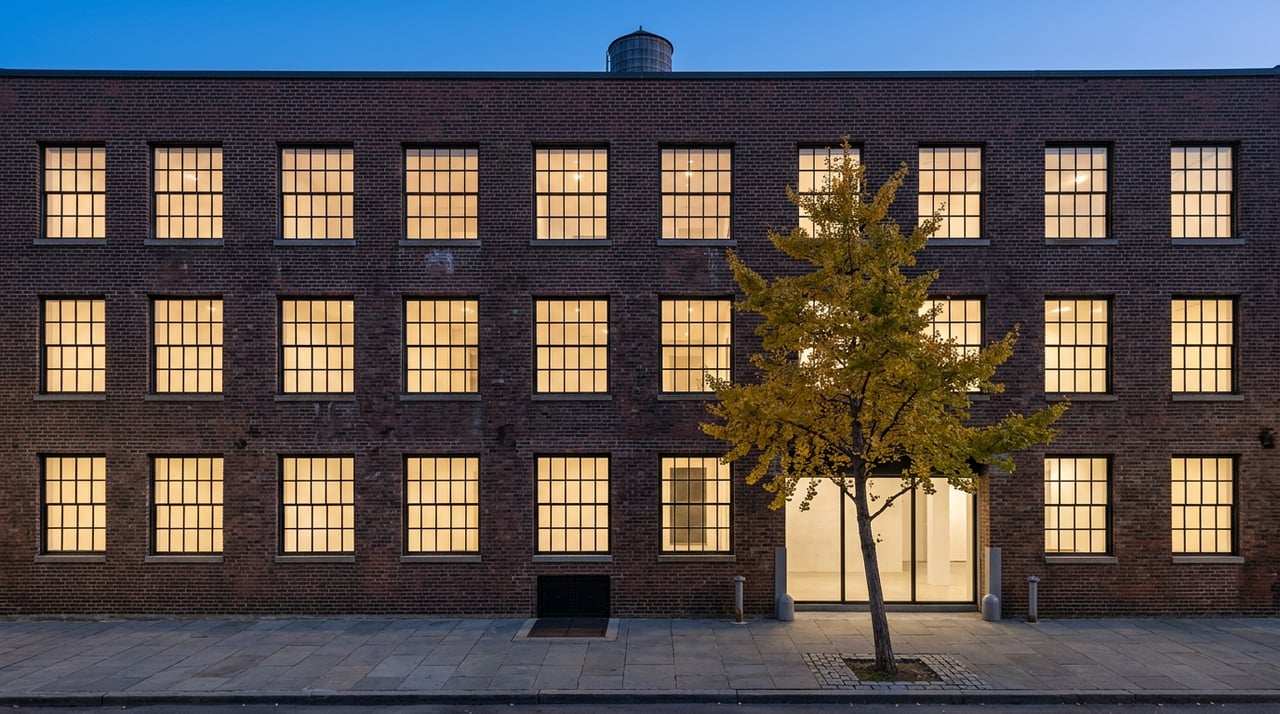
Tribeca offers a different pace. NYC Tourism points to lofts, Hudson River views, notable restaurants, luxury hotels, and the annual Tribeca Festival. For some buyers, that blend of former warehouse character and polished downtown living feels especially compelling.
For buyers drawn to a quieter, more street-level version of prime NYC living, Greenwich Village and the West Village stand out. These areas are often defined less by towers and more by streetscape, scale, and atmosphere.
Greenwich Village centers on Washington Square Park and a long history tied to poetry and music. NYC Tourism describes the area as laid-back and upbeat, with a pedestrian-friendly feel that supports an everyday life built around walking and neighborhood familiarity.
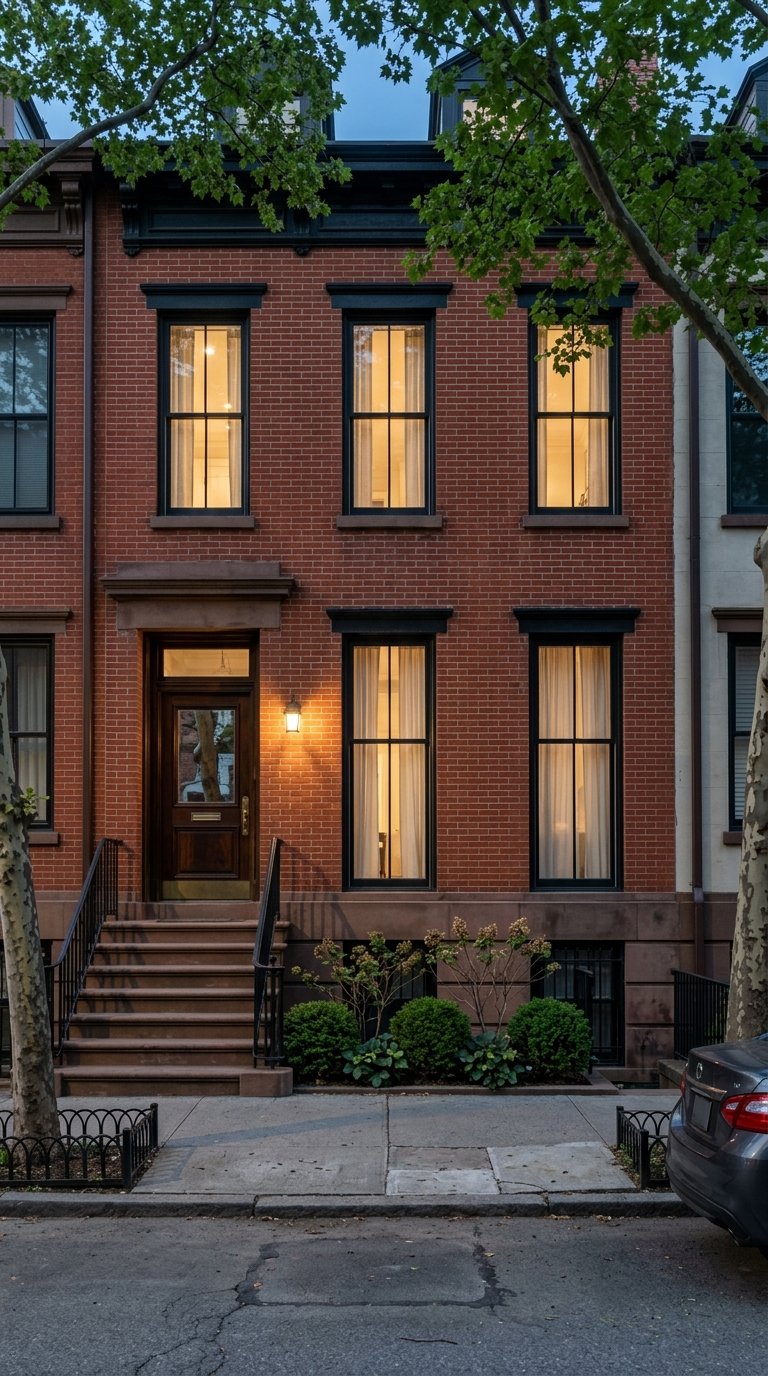
The West Village is noted for its 19th-century townhouses and cobblestone streets outside Manhattan’s grid. That physical layout helps explain why the neighborhood feels intimate and visually distinct. It also continues to add cultural energy, with NYC Tourism reporting the 2025 reopening of Cherry Lane Theatre after renovation and relaunch.
Prime NYC living is not limited to Manhattan. Brooklyn Heights and Long Island City show how prime life can also center on the waterfront, neighborhood texture, and strong visual connection to the city.
Brooklyn Heights is described by NYC Tourism as a neighborhood of row houses, history, the Brooklyn Heights Promenade, and a modest amount of nightlife. It has a distinctly residential feel, and for many people that creates a calmer daily rhythm.
That waterfront lifestyle is reinforced by Brooklyn Bridge Park, which spans more than 1.3 miles with a continuous promenade, six piers, lawns, recreational spaces, and skyline views. If your ideal routine includes outdoor space and room to walk, this area can feel especially livable.
In Queens, Long Island City offers a different prime experience. NYC Tourism presents it as a former manufacturing hub with nightlife, destination restaurants, contemporary art museums, and waterfront parks such as Gantry Plaza State Park and Hunters Point South Park. The neighborhood is also served by NYC Ferry’s Astoria route, which matters if the waterfront is part of how you think about commuting and daily life.
At the highest level, living in a prime New York City home usually means more than having a beautiful apartment. It means your building operates in a way that suits you, your ownership structure matches your goals, and your neighborhood supports the routine you actually want to live.
That is why the right fit often comes from careful screening, not just an impressive first impression. A full-time residence, a pied-a-terre, and a long-term investment may each point to a different building type, different documentation comfort level, and a different neighborhood rhythm.
If you want a more thoughtful view of what prime NYC living could look like for you, The Globalist Group offers discreet, advisory-led guidance for buyers and sellers who value clarity, structure, and well-managed execution.
Stay up to date on the latest real estate trends.