Harlem's Fall Calendar Is Full. Local Food Businesses Are Showing Up Across It.
September 17, 2026
September 17, 2026
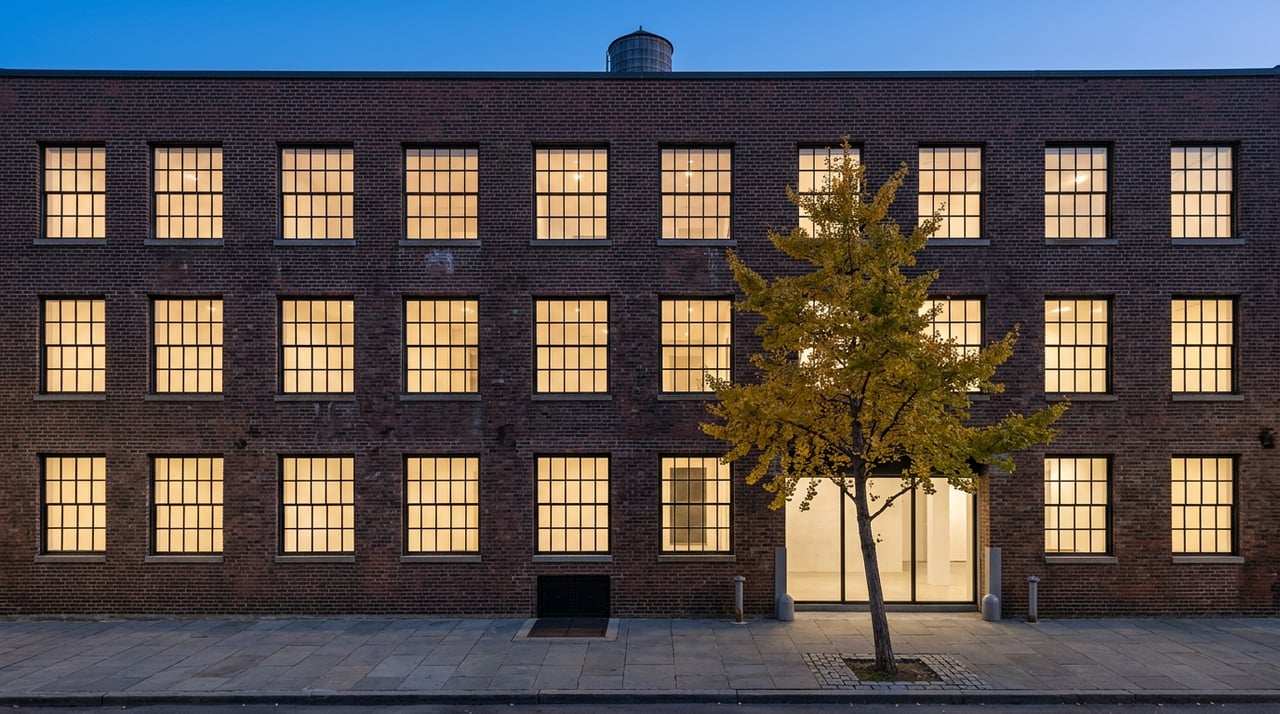
On September 13 at the Studio Museum in Harlem, artist Kapwani Kiwanga sat down with scholar Imani Perry for a public conversation tied to Kiwanga's installation on view at the museum. It has been ten months since the museum cut the ribbon on its rebuilt home at 144 West 125th Street. This fall marks something different: the first season where the museum isn't a comeback story anymore, it's just the neighborhood's biggest cultural anchor going about its business. Geometries opened September 10 and runs through January 31, 2027. Dreams of This Future, a survey drawn from the Peggy Cooper Cafritz collection, is up through February 28, 2027. Kiwanga's own installation, BLEED, stays on view into next spring.
None of that is the part of the story that a resident walking past the museum every day would actually notice. The more interesting detail sits one floor below the galleries, in the museum's basement cafe, where, as The Curious Uptowner reports, the food comes from Settepani, the long-standing Harlem restaurant and bakery. That same name now also runs the concession stand at the Davis Center, the newer building at the north end of Central Park with its pool, ice rink, and green roof. One Harlem operator is now feeding people inside two of the neighborhood's largest civic builds, on top of running its original storefront. Taken together, these locations make Settepani a visible presence in two major Harlem institutions.
Walk south from the museum along Frederick Douglass Boulevard and the smaller version of this same pattern is everywhere, though it looks less like consolidation and more like ordinary churn. Copperleaf Bakery opened last fall at 2118 Frederick Douglass Boulevard, in the space that used to hold Bean & Barley. It makes its own croissants, bakes an ube cheesecake, and serves sandwiches on its own sourdough alongside soup and wine, in a bright, seat-yourself room built for lingering rather than grabbing a bag on the way out.
A few blocks over, a casual daytime spot specializing in breakfast tacos and burritos took over the old Slutty Vegan space at 300 West 135th Street. Up a steep hill on Lexington Avenue, a new ramen and skewer spot opened with rice bowls and grilled meat and vegetable options. On West 119th Street, a wrestling-themed cafe now serves burgers and cocktails under a big screen running WWE, and what was Harlem Bar-B-Q recently became the neighborhood's first tiki bar, pouring a Mexi Colada alongside catfish bites and mango jerk wings.
One story worth sitting with a little longer: a Japanese comfort food spot known for onigiri and gyoza lost its lease on 146th Street in May of last year when the landlord wouldn't renegotiate. Rather than closing for good, the owners found a space around the corner and reopened this year under the same name. That is the version of small business news that never makes it into a citywide dining roundup, but it is the version that tells you something real about how a neighborhood commercial strip actually works: leases end, landlords don't always bend, and the operators who survive are the ones who find the next storefront instead of walking away.
The Africa Center, the Fifth Avenue cultural institution, recently welcomed a new tenant into its ground floor: CUP, short for Coffee Uplifts People, a fair-trade coffee brand co-founded by radio personality Angela Yee along with Tony Forte and LaRon Batchelor. CUP started as a Bed-Stuy cafe. Its move into The Africa Center, taking over a space that used to hold Teranga, means a Brooklyn-born coffee brand now has a counter inside one of Uptown Manhattan's flagship cultural institutions.
Settepani and CUP both have food and beverage spaces inside Harlem cultural institutions. The coffee tastes the same whether it is poured from a cart in Bed-Stuy or a counter inside a museum-adjacent cultural center, and the bakery case in the Studio Museum's basement is the same bakery case a few blocks north on the boulevard.
For a resident, the practical version of all this is a calendar that is unusually full for a single September, spread across a few blocks that most people already walk through on the way to somewhere else.
None of this requires planning a trip. It requires noticing that the museum you pass on 125th Street, the bakery case in its basement, the concession stand at the skating rink, and the coffee counter inside The Africa Center bring a small number of food businesses—including Harlem’s Settepani and Brooklyn-born CUP—into different neighborhood buildings. That is not the kind of detail a visitor picks up in one trip. It is the kind a resident accumulates by being here long enough to recognize a bakery's pastry case twice in one week, in two buildings that used to have nothing to do with each other.
Harlem's fall season this year is not defined by a single splashy opening the way a downtown restaurant preview might frame it. It is defined by local and regional food businesses becoming part of the neighborhood’s civic and cultural spaces. That is worth knowing whether you are heading to the museum this weekend or just noticing, on your way to the Davis Center, that the pastry in your hand came from the same case as the one at the concession stand you'll pass in November.
For those who eventually do think about property in this neighborhood, whether buying a first Harlem co-op, selling a brownstone, or coordinating a move from overseas, The Globalist Group works with clients who want a Harlem conversation grounded in the neighborhood as it actually functions today, not a generic Uptown pitch. Work With Us when that time comes.
Stay up to date on the latest real estate trends.