What to Evaluate When Investing in New York City Apartments
June 11, 2026
June 11, 2026
Wondering whether a New York City apartment is truly a smart long-term investment? In this market, the answer usually has less to do with a sleek renovation and more to do with the building, the rules, and your exit options years from now. If you are weighing a condo, co-op, or investment-minded pied-a-terre in Queens or the broader New York City market, this guide will help you screen risk more clearly and make a more disciplined decision. Let’s dive in.
New York City remains a tight housing market, and that matters for long-term owners. The city’s 2025 Housing Supply Report says New York had 3,705,000 housing units, with a citywide net rental vacancy rate of 1.41% in the 2023 Housing and Vacancy Survey. In Queens, the 2023 net rental vacancy rate was even lower at 0.88%.
That kind of scarcity can support long-term durability, but it does not make every apartment a strong investment. New housing supply is still being added, with 15,626 new housing permits issued citywide in 2024 and 33,974 units completed in new buildings. At the same time, Queens saw permits fall 13.2% in 2024, which shows why local submarkets can behave differently from citywide headlines.
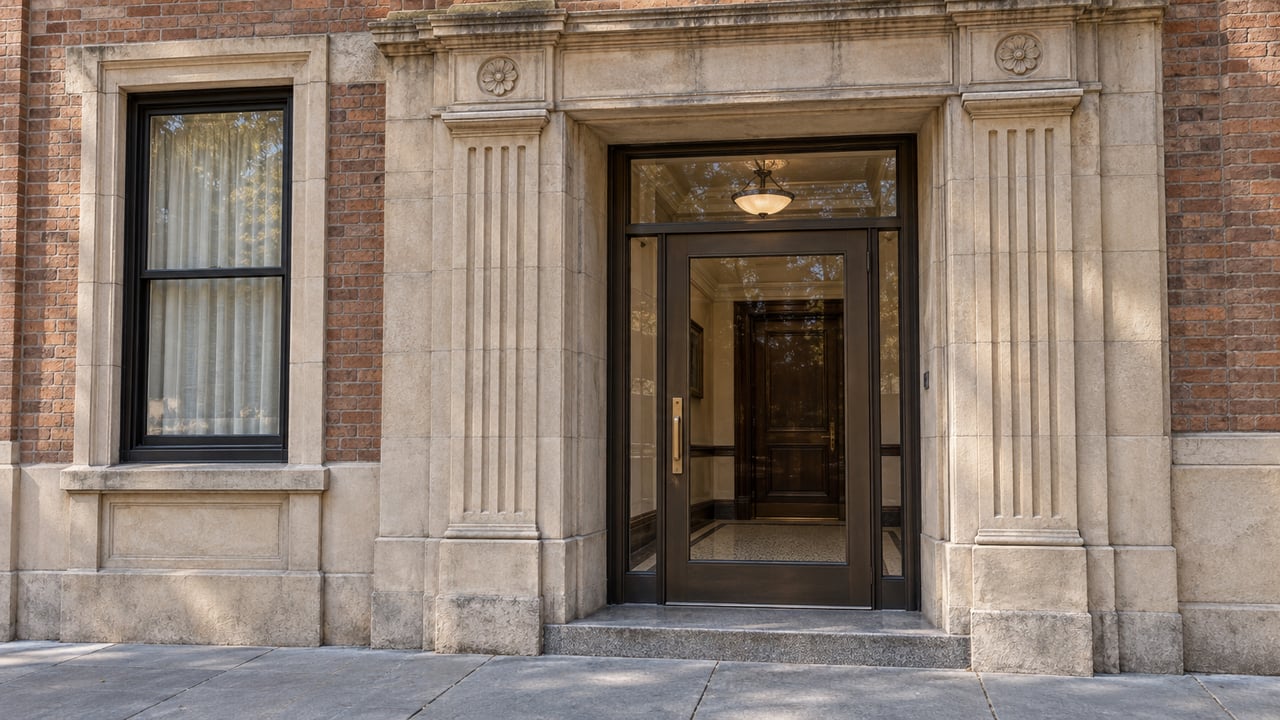
A beautiful kitchen can catch your eye, but long-term performance often comes down to the building’s physical condition. The New York State Attorney General highlights key systems such as facade, roof, elevators, windows, plumbing, electrical wiring, heating and air-conditioning, flooring, appliances, and even sub-soil conditions as important areas to review.
For older buildings, the biggest expenses are often not cosmetic. Facade defects, roof repairs, elevator work, plumbing replacement, electrical upgrades, and boiler replacements can create large future costs that affect both carrying costs and resale value.
If you plan to hold for years, ask whether the building appears ready for recurring capital work. A newly updated apartment in a poorly maintained building may be less attractive over time than a less flashy unit in a building with stronger systems and more realistic planning.
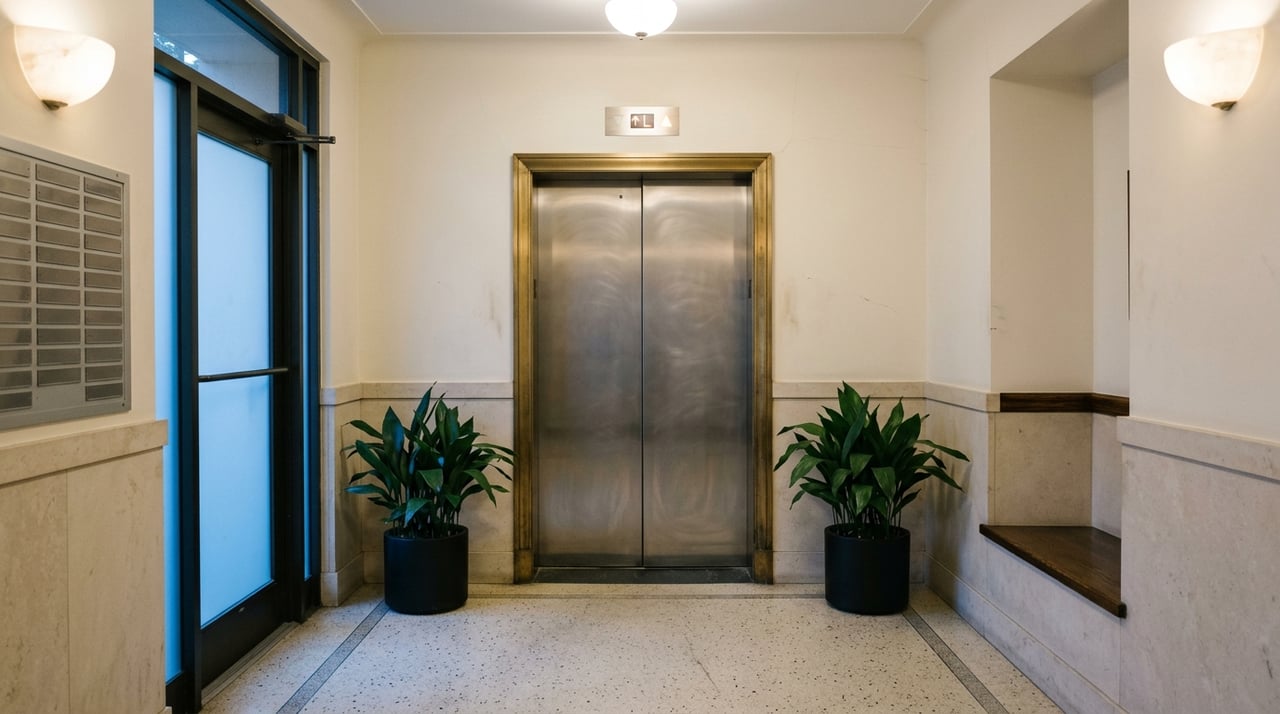
New York City rules reinforce this point. Buildings over six stories must undergo facade inspections every five years, and elevator systems have annual inspection or test filing requirements along with five-year inspection and testing rules for applicable devices. Those recurring compliance obligations should be part of your thinking from day one.
In a condo or co-op purchase, disclosures and records can tell you far more than a walk-through. The Attorney General notes that for converted or sponsor-controlled buildings, disclosure quality matters, and that existing-building conversions must be evaluated by an engineer.
For resale apartments, key risk signals may sit in board minutes, financial reports, and violation histories. If an offering plan is outdated or unavailable, these records become even more important because they may reveal deferred maintenance, repeated building complaints, or looming projects.
In New York City, ownership type is not a small detail. It can affect financing, taxes, monthly costs, flexibility, and the pool of buyers you can sell to later.
A condo gives you direct ownership of a real estate unit. A co-op means you buy shares in a corporation that are tied to a specific apartment, and you receive a long-term proprietary lease instead of direct real property ownership.
That legal difference has practical effects. New York City’s recording guidance states that cooperative shares are treated as a security interest in personal property, not real estate, while mortgage recording tax applies when mortgages on real property are recorded.
For you, that can mean different closing logistics and a different cost structure. It can also affect how easily a future buyer understands and values the apartment, especially if that buyer is comparing several ownership formats.
Some apartments come with added restrictions that can reduce the future buyer pool. HDFC co-ops have income, resale, and subletting restrictions, and Mitchell-Lama developments operate under separate program rules with income limits.
These properties can serve specific housing goals, but for a buyer focused on long-term investment flexibility, the narrower audience at resale is worth careful consideration. The more specialized the ownership rules, the more selective your likely exit market may be.
If part of your plan depends on rental income, local regulation matters. For market-rate rentals, lease terms and rents are negotiated between owner and tenant. For rent-stabilized apartments, however, annual renewal increases are set by the Rent Guidelines Board.
For leases beginning between October 1, 2025 and September 30, 2026, the adopted guidelines are 3% for one-year renewals and 4.5% for two-year renewals. That means your income assumptions should match the apartment’s actual regulatory status rather than broad market averages.
Short-term rental income is generally not a dependable underwriting assumption in New York City. Local Law 18 requires short-term rental hosts to register with the Mayor’s Office of Special Enforcement, and booking platforms cannot process transactions for unregistered short-term rentals.
Rentals of 30 consecutive days or more fall outside that short-term registration regime. Even so, if your investment case depends heavily on short-duration income, you should treat that as a major diligence point rather than an easy upside story.
A long-term investment can still disappoint if your entry costs are too high. In New York, transaction taxes and closing costs can materially affect your break-even timeline and future resale math.
New York State imposes real estate transfer tax on conveyances over $500, and residential transfers of $1 million or more trigger the 1% mansion tax. New York City also applies additional transfer taxes at higher price points, and mortgage recording tax can apply when real-property mortgages are recorded.
Buyers often hear about the co-op and condo tax abatement, but it is not universal. The Department of Finance says eligibility depends on the development and the unit owner, and owners must provide primary-residency information.
The NYC Comptroller’s audit states that eligible developments may receive a partial annual tax abatement ranging from 17.5% to 28.1%, depending on average assessed value. But because of eligibility limits, including a primary-residence requirement and ineligibility for business-owned units, many investor-style purchases may not benefit.
Long-term investing is not only about what you buy. It is also about who will want it from you later.
A standard market-rate condo often has the broadest resale market because it is direct ownership of a real estate unit. Co-ops can still be excellent long-term holds in the right building, but the structure is more specialized, and special-purpose housing can narrow the buyer pool even further.
When you evaluate an apartment, ask a simple question: how many future buyers could realistically buy this unit under its rules and cost structure? A broad buyer pool can improve resilience when market conditions shift.
That is one reason building quality, ownership clarity, and manageable carrying costs often matter more than a bold appreciation forecast. In New York City, friction at resale can be just as important as upside at purchase.
Queens deserves close attention because borough-wide data show a very tight rental backdrop and uneven supply growth. The 2023 Housing and Vacancy Survey reported a 0.88% net rental vacancy rate in Queens, while 2024 new housing permits totaled 3,240, down 13.2% from the prior year.
That does not guarantee future performance for any one apartment. It does suggest that in Queens, as in the rest of New York City, strong screening still matters: building condition, transit access, ownership flexibility, and realistic carrying costs should all stay at the center of your analysis.
Location resilience is not just about demand. It is also about flood exposure and the cost or risk that may come with it.
New York City provides flood maps and an interim flood-risk mapper so buyers can review flood zones, coastal flood risk, special flood hazard areas, and future rainfall-related risk. City resiliency efforts are ongoing, but for a long-term hold, you should still evaluate whether a building’s location introduces added risk that could affect cost, insurance, maintenance, or resale appeal over time.
If you want a simple framework, focus on the factors that tend to hold up over time:
A sound long-term apartment purchase in New York City is usually the one with durable systems, understandable rules, manageable costs, and a clear resale path. That may not be the flashiest option on the market, but it is often the one that ages best.
If you are considering a co-op, condo, pied-a-terre, or investment-minded apartment in Queens or elsewhere in New York City, a measured screening process can save you from expensive surprises later. The Globalist Group brings a discreet, analytical approach to complex NYC purchases, with the steady coordination many long-term buyers value.
Stay up to date on the latest real estate trends.